
The second phase of the tariff reform in the VRR
As early as 1 March 2025, with the first phase of the tariff reform, we reduced the VRR ticket range by 75 per cent and made travelling by bus and train easier. And best of all: 90 per cent of our passengers have been travelling more cheaply ever since! On 1 June 2026, we will continue along this path and launch the second phase of the tariff reform.
Phase 2 of our tariff reform explained
Changes coming to the VRR from 1 June 2026
- Farewell to the 2-honeycomb cells tariff: After 45 years, we are phasing out the 2-honeycomb cells tariff (2-Waben-Tarif) and the honeycomb structure – a system that has evolved over time but requires explanation. Only price levels A, B and C will now apply. For passengers who have previously used the 2-honeycomb cells tariff, eezy.nrw offers a simple and transparent alternative.
- One city – one tariff zone: In the five cities of Dortmund, Düsseldorf, Duisburg, Essen and Wuppertal, the previously separate tariff zones are being merged into a single tariff zone each. This makes choosing a ticket easier.
- New boundaries in the Lower Rhine and Ruhr regions: The tariff zones are being aligned more closely with actual traffic flows. This creates larger, more practical zones – particularly for journeys in the Lower Rhine region and the north-eastern Ruhr area.
- Two specific exceptions: The current Goch/Weeze tariff zone is being split so that the smaller tariff zones of Kranenburg and Kevelaer can be assigned to larger tariff zones. The current Neukirchen-Vluyn (Wesel district) / Rheurdt (Kleve district) tariff zone will be split to allow for new tariff zones along district boundaries.
- Here you will find an overview of the VRR tariff zones from 1 June 2026 (in German).
Tariff zones with a new structure and new boundaries:
In detail
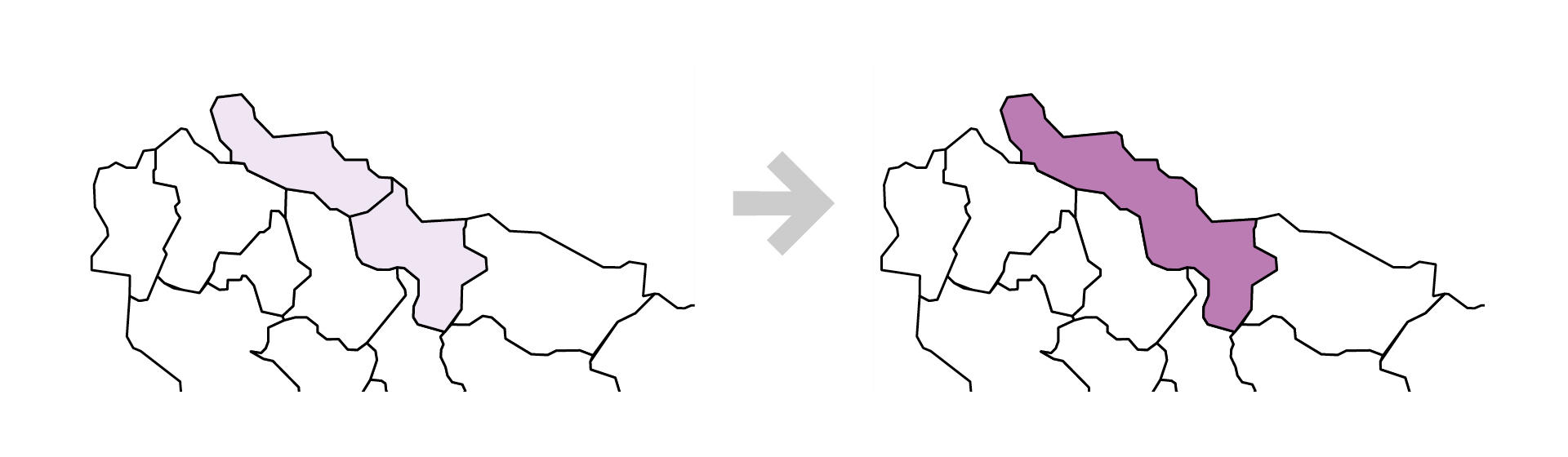
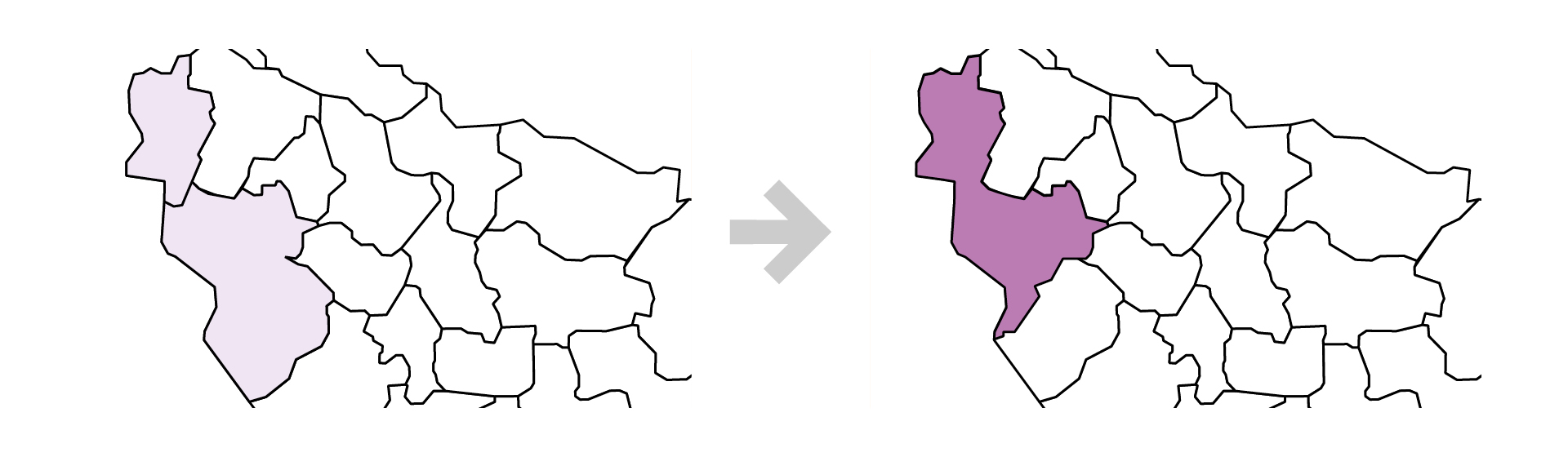
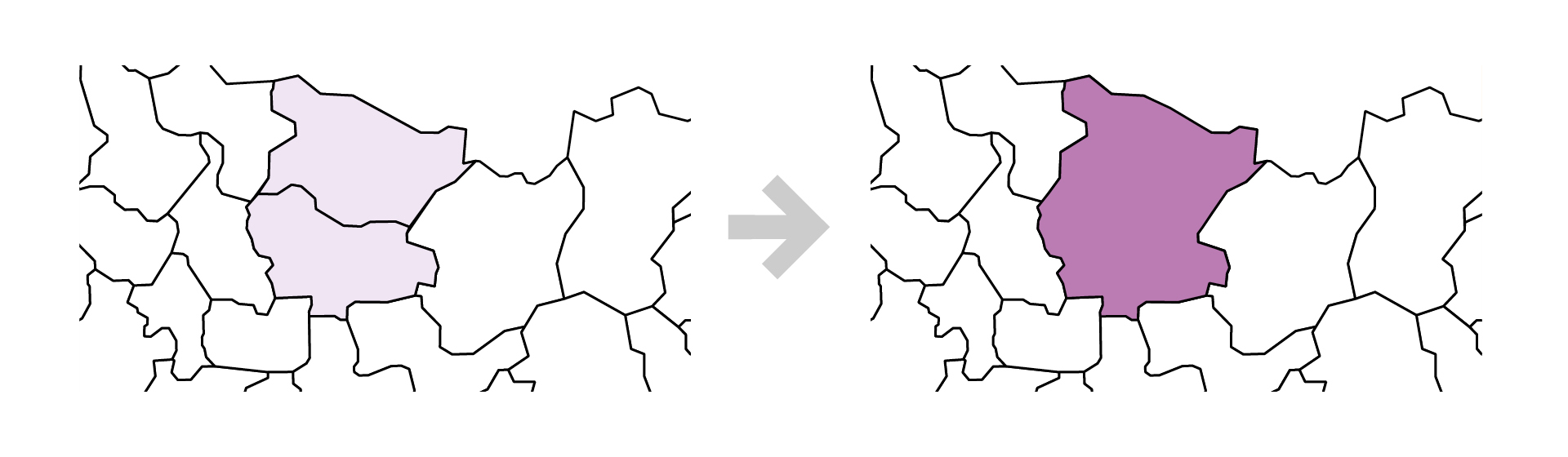
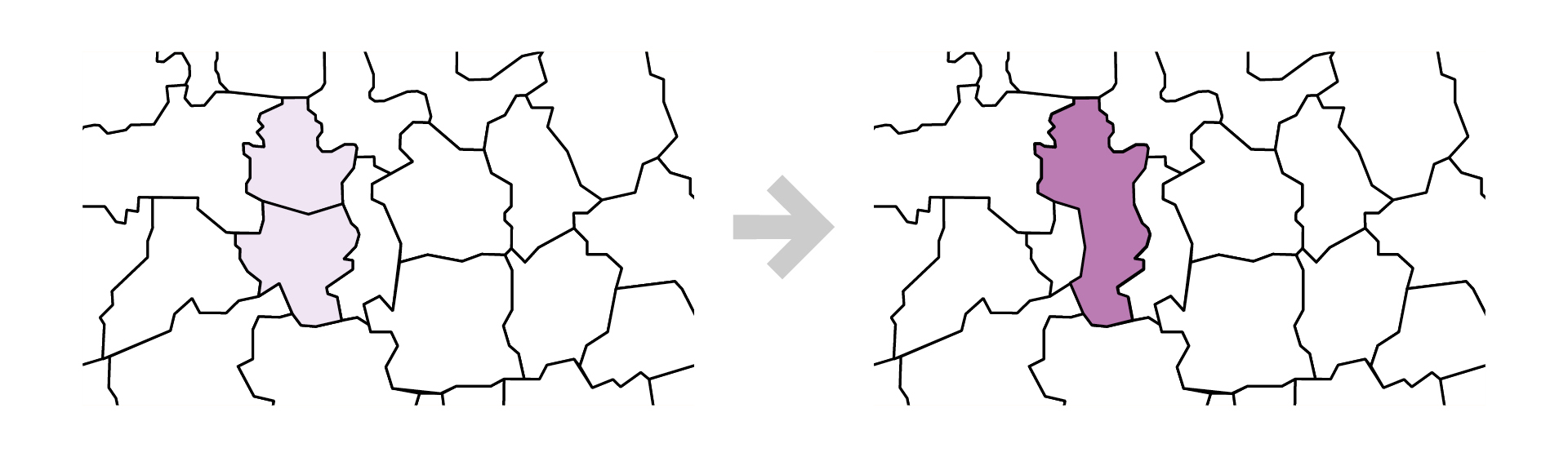
In detail
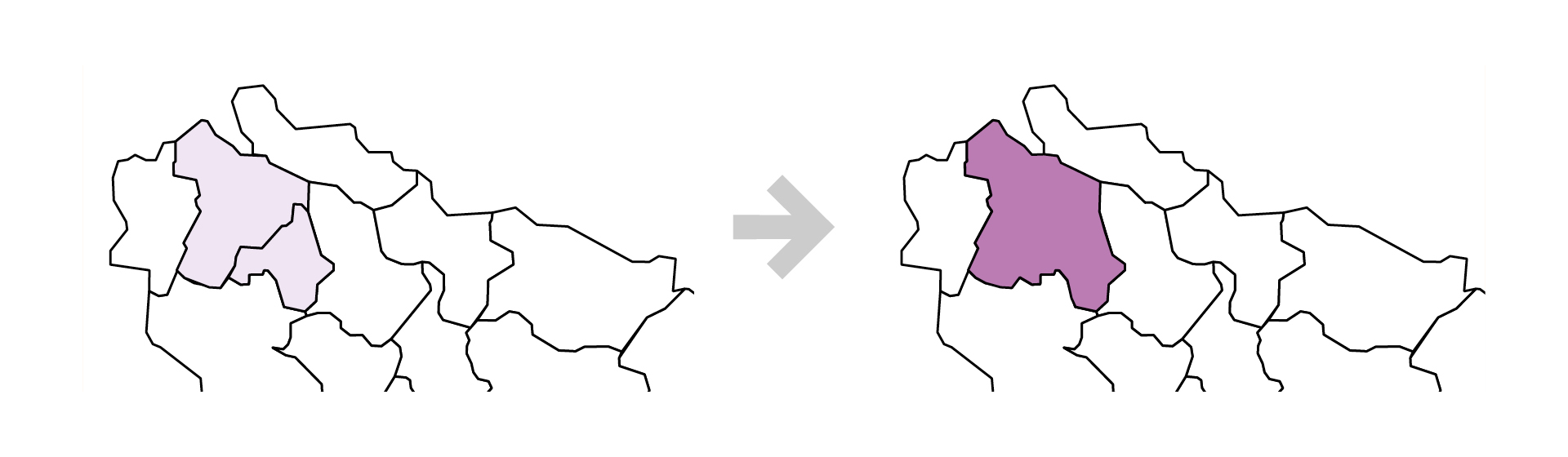
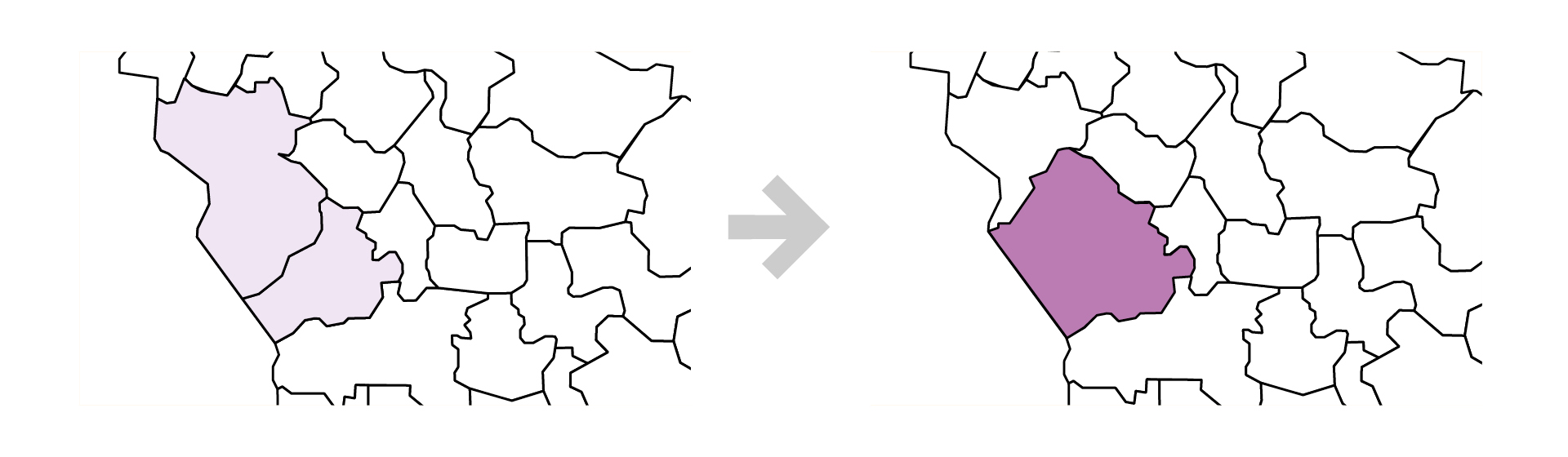
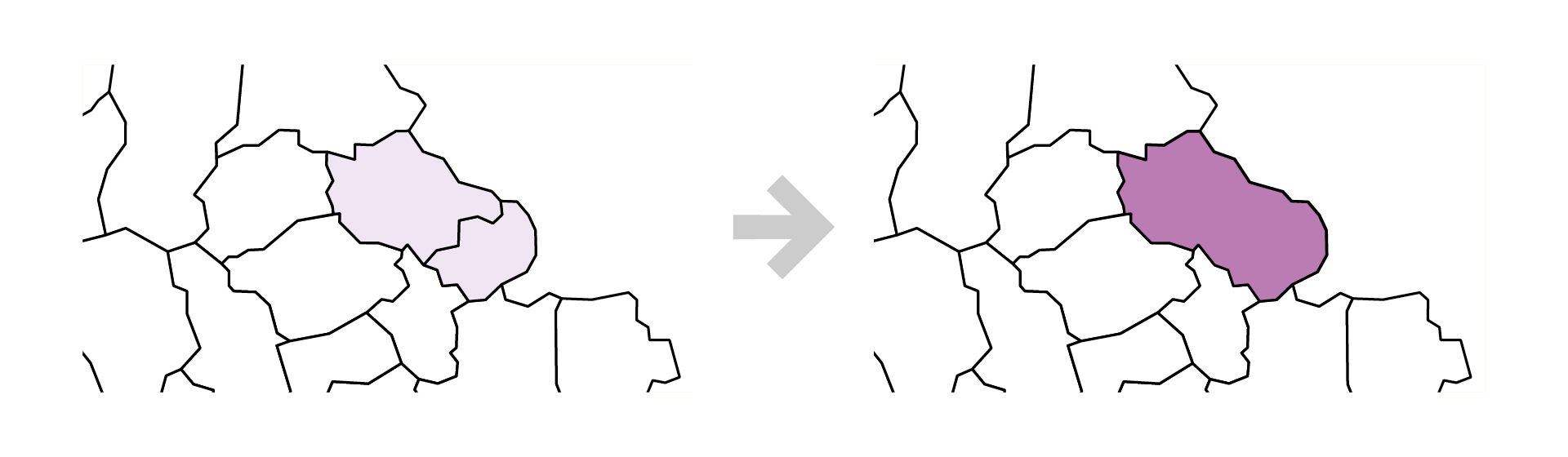
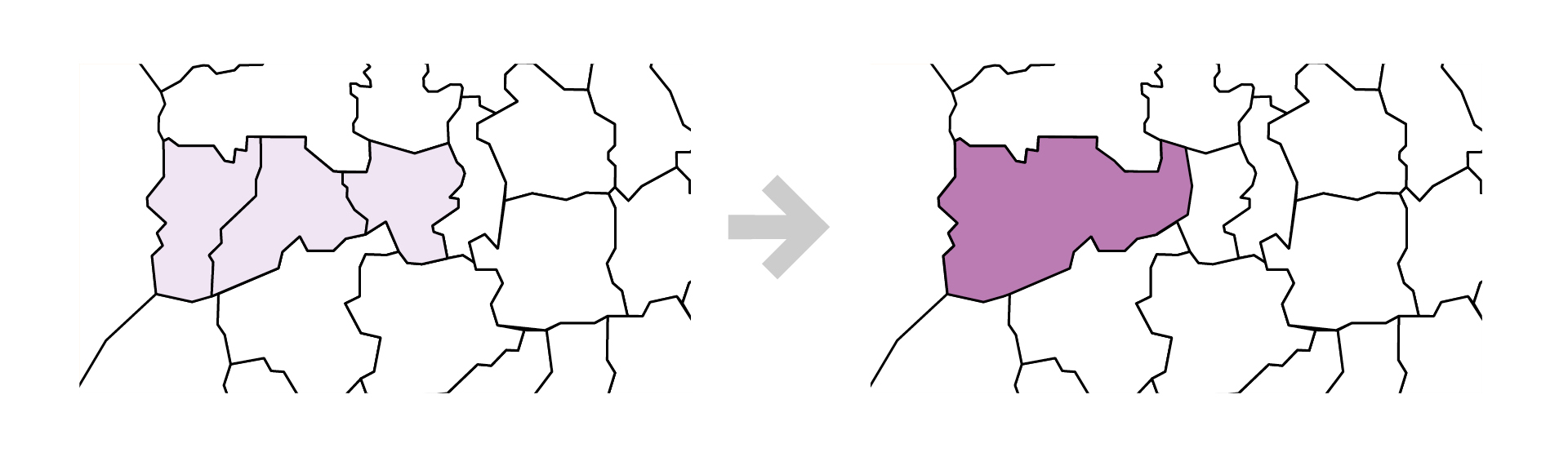
In detail
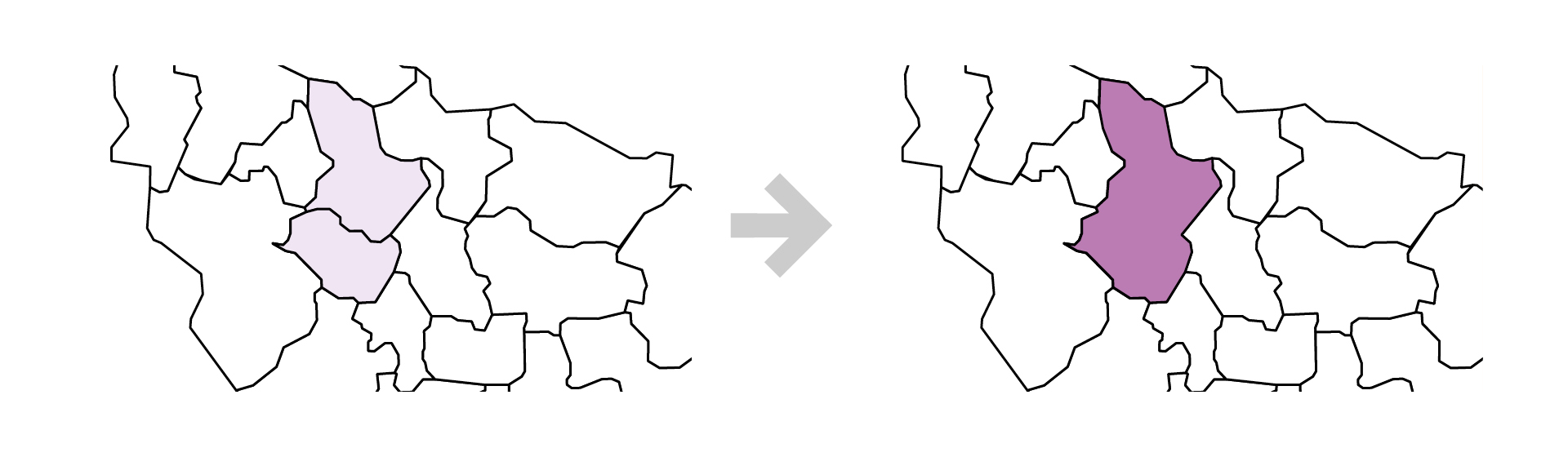
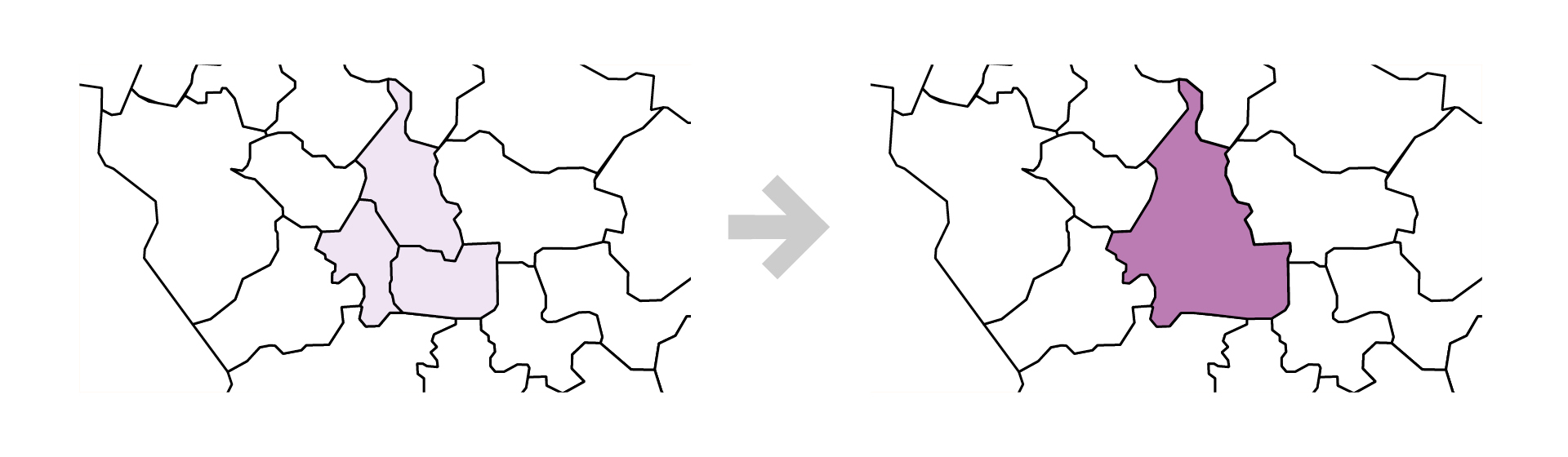
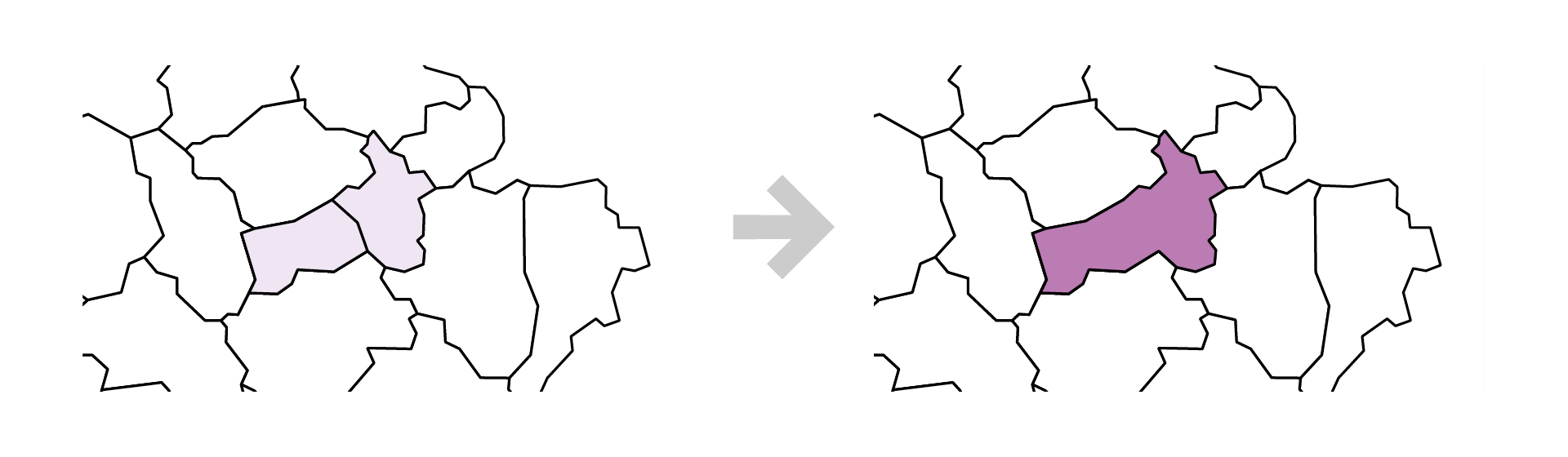
Download the VRR network tariff zone from 1 June 2026
An overview of the VRR price levels
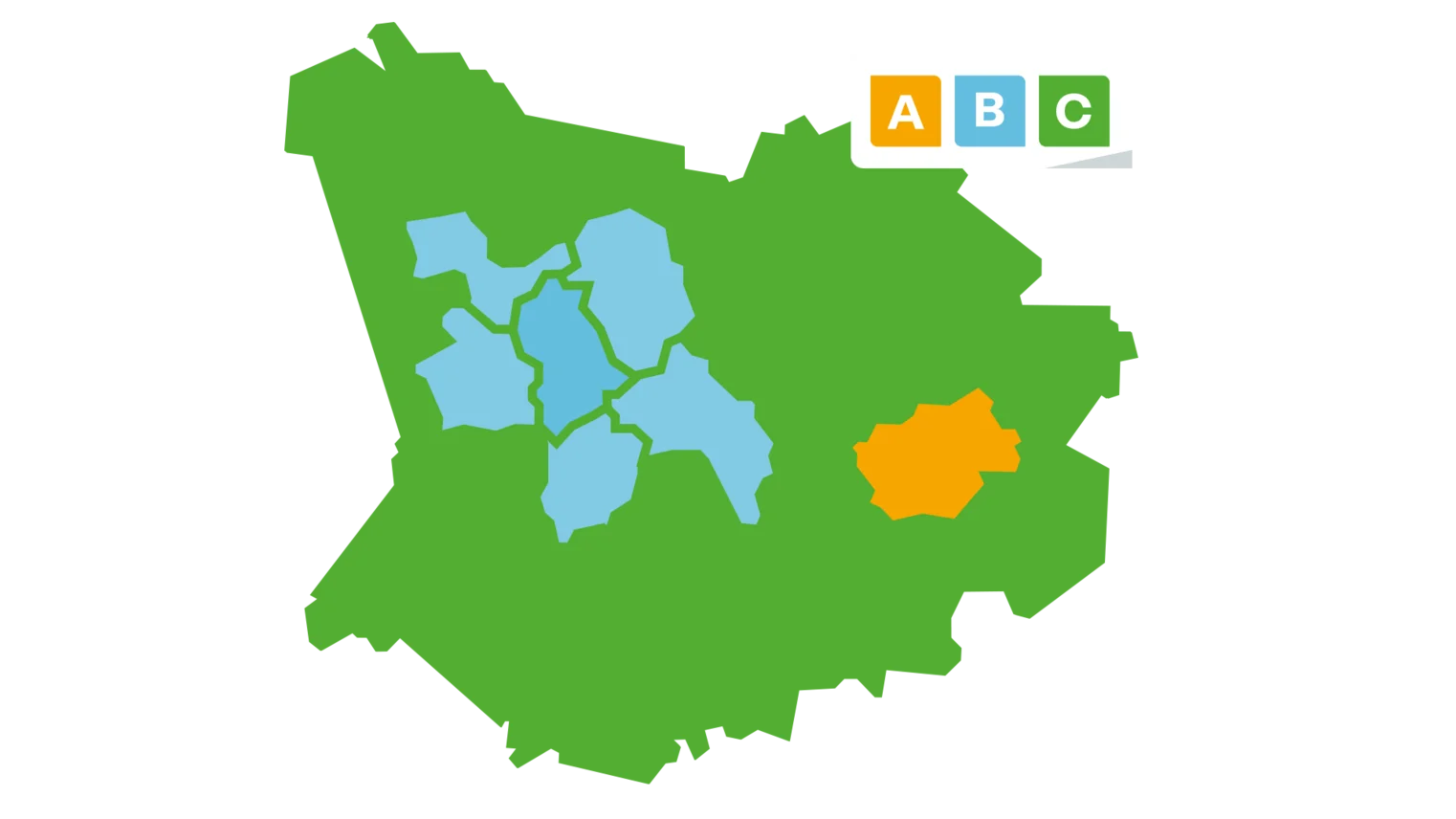
From 1 June, the simple price levels A, B and C will apply without exception.
How the price levels work in the VRR
Price level A
For journeys within a single tariff zone.
Price level B
For journeys to an adjacent tariff zone.
Price level C
For journeys throughout the entire VRR network.
Our advice
Not sure which price level or ticket you need? You can find ticket suggestions for your journey in the VRR app.
Our focus: a simple range of tickets
For occasional travellers: eezy.nrw
eezy.nrw is a fair and customer-friendly fare option that occasional passengers can use directly via their smartphone. The cost of the journey is calculated based on a fixed base price and the distance travelled as the crow flies. Since 2026, children have never paid more than the price of a single ticket on eezy.nrw.

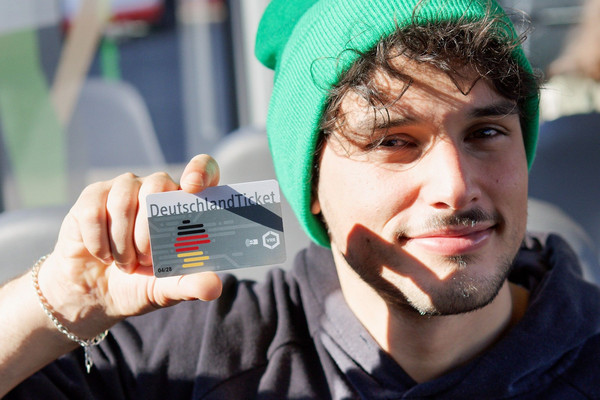
For frequent travellers: DeutschlandTicket
The DeutschlandTicket remains the ideal option for frequent travellers. It is valid nationwide, available in digital format and competitively priced. With funding secured until 2030, it offers planning certainty – particularly for companies wishing to offer the DeutschlandTicket Job to their employees as a work travel pass.
For additional services: Ticket2000
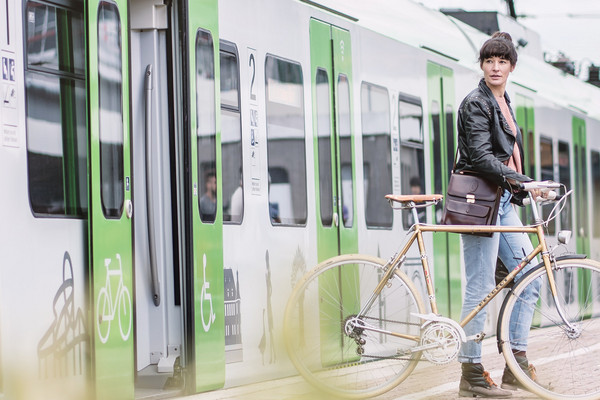
Passengers who do not wish to forego the all-inclusive package for buses and trains, but would like to take a bicycle or additional passengers at certain times, can use our Ticket2000 as a season ticket or monthly pass.
Questions regarding the tariff reform
Frequently Asked Questions
The following changes will come into effect in the VRR on 1 June 2026:
- Abolition of the honeycomb structure and of the 2-honeycomb cells tariff
- Merger of the 5 divided cities into single fare zones (Dortmund, Essen, Duisburg, Düsseldorf, Wuppertal)
- Redesign of the tariff zones:
- Emmerich / Rees
- Kleve / Bedburg-Hau
- Kalkar / Uedem
- Kranenburg / Goch
- Kevelaer / Weeze
- Xanten / Sonsbeck / Alpen
- Wesel / Hamminkeln
- Straelen / Rheurdt / Kerken / Wachtendonk
- Kamp-Lintfort / Neukirchen-Vluyn
- Oer-Erkenschwick / Datteln / Waltrop
- Herne / Castrop-Rauxel
As early as 1 March 2025, as part of the first phase of our major tariff reform, we reduced the familiar range of VRR tickets by 75 per cent. Since then, the DeutschlandTicket and its various versions for different target groups, as well as eezy.nrw, have been at the heart of our local transport fare system.
We have used the time since the start of the tariff reform to take a close look at which tickets and price levels our customers have been using to travel within the VRR. Frequent travellers are increasingly using the DeutschlandTicket for their daily journeys. People who only use public transport occasionally have been turning to eezy.nrw more and more since the tariff reform. Total sales in 2025 rose by over 100 per cent compared to 2024. This clear trend towards digital ticket purchasing is spurring us on to strengthen digital sales channels – and cashless purchasing in particular – whilst reducing the need for customer support and further improving our offering.
We have thoroughly examined the question of which routes are actually travelled by bus and train, and whether the tariff zones in urban and rural areas are fairly defined. We have therefore redrawn the tariff zone boundaries in the Lower Rhine region and parts of the Ruhr area, aligning them more closely with actual travel patterns. In doing so, we are improving the value for money in price levels A and B in your best interests, specifically addressing mobility needs and making it easier for passengers – particularly those who only use public transport occasionally – to travel by bus and train.
The changes will come into force on 1 June 2026.
Generally speaking, price level A applies to journeys within a single tariff zone, and price level B applies to journeys to a neighbouring tariff zone. The tariff zones are further subdivided into so-called ‘honeycombs’ (Waben), comparable to the districts of a city. 2-honeycomb cells connections are transport links where the starting point and destination are in different tariff zones but within two honeycombs that are directly adjacent to one another. Price level A has also applied to such journeys up to now.
However, the 2-honeycomb cells tariff is hardly used anymore – less than one per cent of VRR customers still travel using the 2-honeycomb cells tariff. With the second phase of the VRR tariff reform, we are now sending this historically evolved, complex and confusing tariff into well-deserved retirement and creating clear and easy-to-understand price levels for the entire VRR area. Furthermore, the abolition of the 2-honeycomb cells tariff will also allow the fragmented and complex zonal fare structure to be dismantled.
eezy.nrw within the VRR is often the cheaper option and requires no knowledge of the fare system to use. For example, a single ticket in price level A under the 2-honeycomb cells tariff from Dinslaken to Duisburg Walsum costs €3.80, whereas the journey with eezy.nrw costs just €3.18.
eezy.nrw also offers built-in price protection measures: a price cap per journey, per 24 hours and per calendar month. These price caps always apply to passengers travelling with you as well. Even if you plan to make many journeys, you will never pay more than the current price of the DeutschlandTicket (€63.00) over the entire calendar month.
From 1 June 2026, the following VRR price levels will apply:
- Price level A for journeys within a single fare zone.
- Price level B for journeys to an adjacent fare zone.
- Price level C for journeys across the entire VRR network.
We are merging some tariff zones to enable you to travel across a significantly larger area in the Lower Rhine region and the north-eastern Ruhr area. We are deviating from this in only two areas, basing the new structure on district boundaries and improved transport routes. The current Goch / Weeze tariff zone is being split so that the smaller Kranenburg and Kevelaer tariff zones can be assigned to larger tariff zones. The current Neukirchen-Vluyn (Wesel district) / Rheurdt (Kleve district) tariff zone will be split to allow for new tariff zones along district boundaries.
No, you do not need to cancel your ticket. If you are affected by the changes, your transport company will contact you and offer you the option of switching to a different ticket.
Yes. Previously, certain journeys within the VRR – i.e. routes that were possible under the 2-honeycomb cells tariff with a price level A ticket – were also capped at the price of a single price level A ticket on eezy.nrw. If, for example, a price level B ticket is required for these journeys in future, the price cap on eezy.nrw within the VRR will be adjusted accordingly.
Furthermore, you will never pay more than the price of a corresponding single ticket in price levels A, B or C for a journey with eezy.nrw. The 24-hour price cap and the monthly cap equivalent to the price of a DeutschlandTicket will also remain in place, ensuring that you always travel affordably with eezy.nrw.