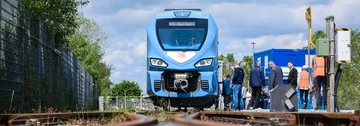
Niederrhein-Münsterland-Netz
Another milestone has been reached in the VRR’s transition to sustainable transport: as part of the new tender process for the Regional Express and Regional Rail services on the Lower Rhine–Münsterland network, we are gradually switching from the current diesel-powered services to battery-electric vehicles and putting in place the necessary infrastructure. The 76 battery-electric vehicles (known as BEMUs) ordered for this purpose from the Spanish company CAF (Construcciones y Auxiliar de Ferrocarriles, S.A.) offer passengers greater comfort and additional seating.
Vehicles
Green light for battery-electric trains on the Lower Rhine-Münsterland network
In procuring the trains for the Lower Rhine-Münsterland network through a Europe-wide tender process, we utilised the tried-and-tested NRW-RRX model. This means that the tender for the manufacture, delivery and maintenance of the rolling stock over its entire life cycle is conducted separately from the tenders for operational services on the network’s lines.
CAF emerged as the winner of the tender for the Niederrhein-Münsterland network’s trains in July 2021. The company is supplying 76 ‘Civity BEMU’ trains in two sizes: 15 trains, each around 45 metres long with 122 seats, and 61 trains, each around 55 metres long with 160 seats. However, CAF will not merely manufacture and deliver the trains. The company will also maintain them and ensure they remain operational throughout their entire lifecycle – thereby contributing to smooth operations. To this end, two maintenance centres are being established in Gelsenkirchen-Bismarck and Neubeckum.
The introduction of the new trains will enable us to significantly expand capacity on many routes across the Lower Rhine–Münsterland network. Furthermore, the high-quality fittings on these trains will noticeably enhance travel comfort for passengers.
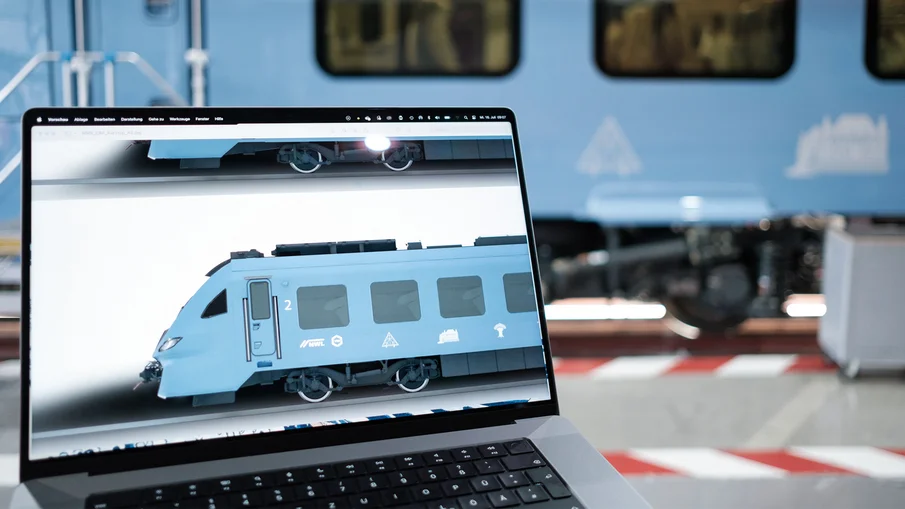
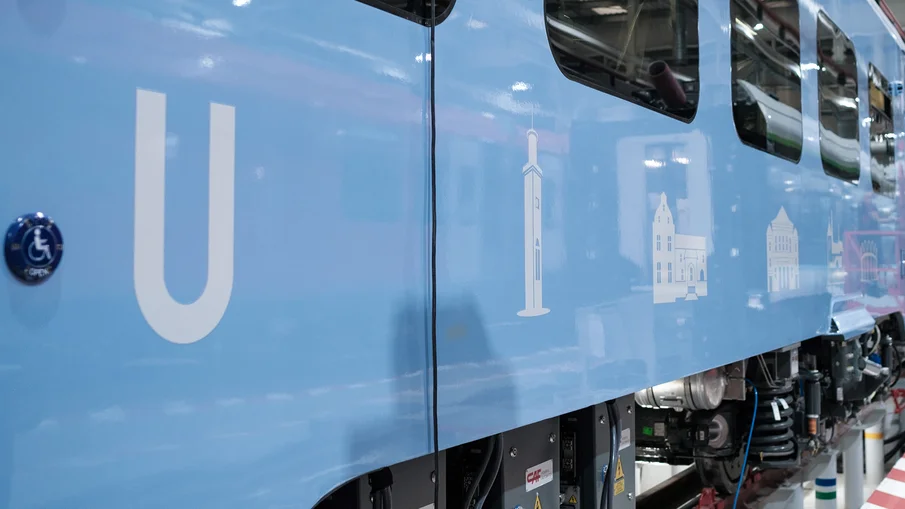
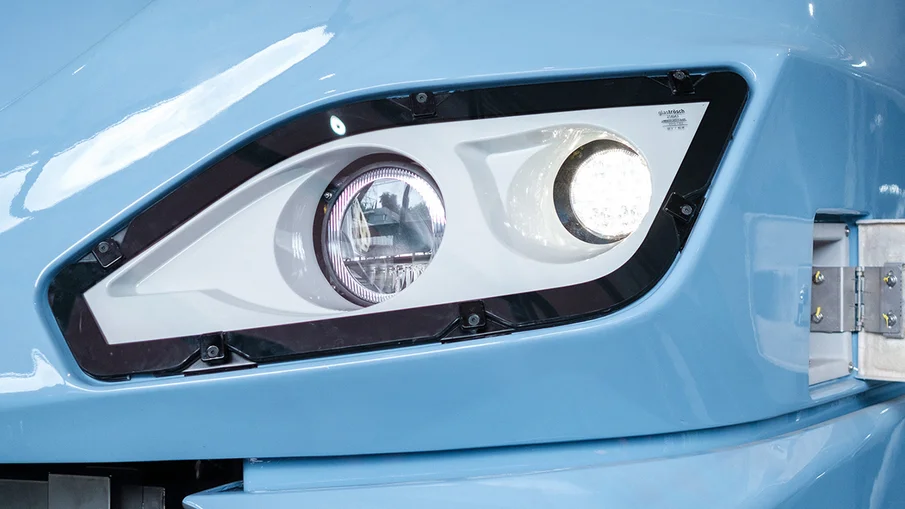
For example, the trains are equipped with, amongst other things,
- two or four spacious boarding areas to allow for quick and comfortable passenger boarding and alighting,
- upholstered seats arranged in rows or facing each other, with ample space between them,
- separate multi-purpose areas with plenty of space for passengers with wheelchairs, walking frames, pushchairs or bicycles,
- fold-down tables and power sockets for charging laptops, smartphones or tablets, as well as
- a free Wi-Fi network, which makes it easier for commuters in particular to work whilst travelling.
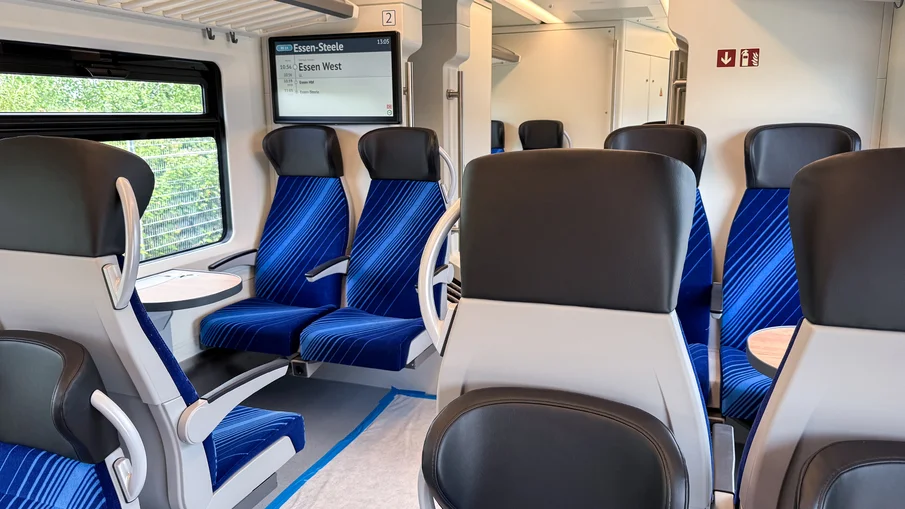
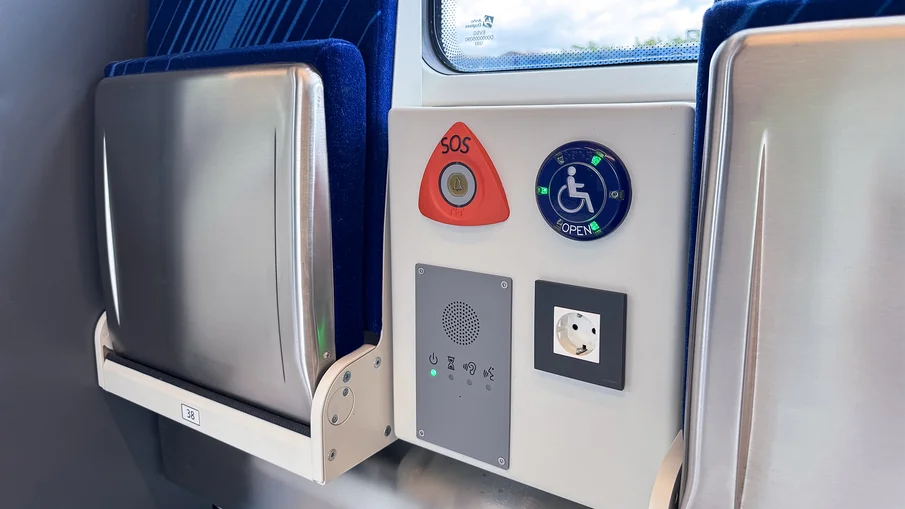
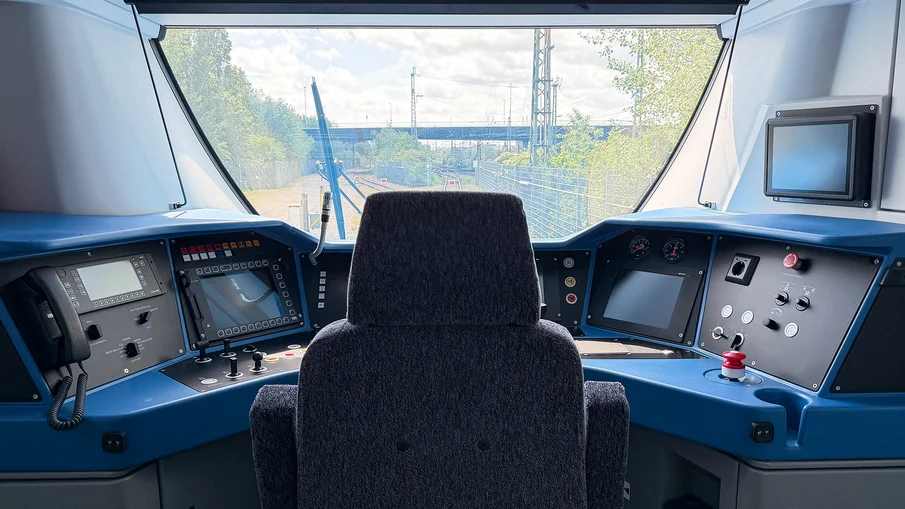
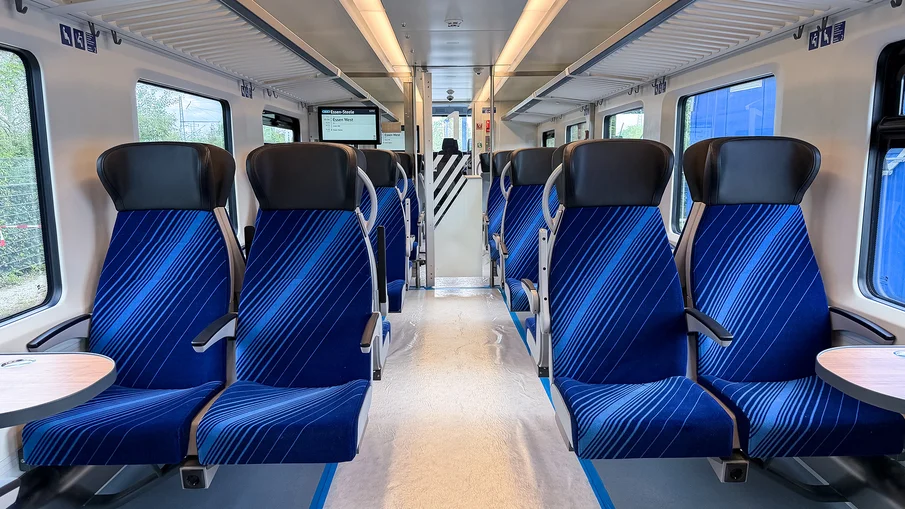
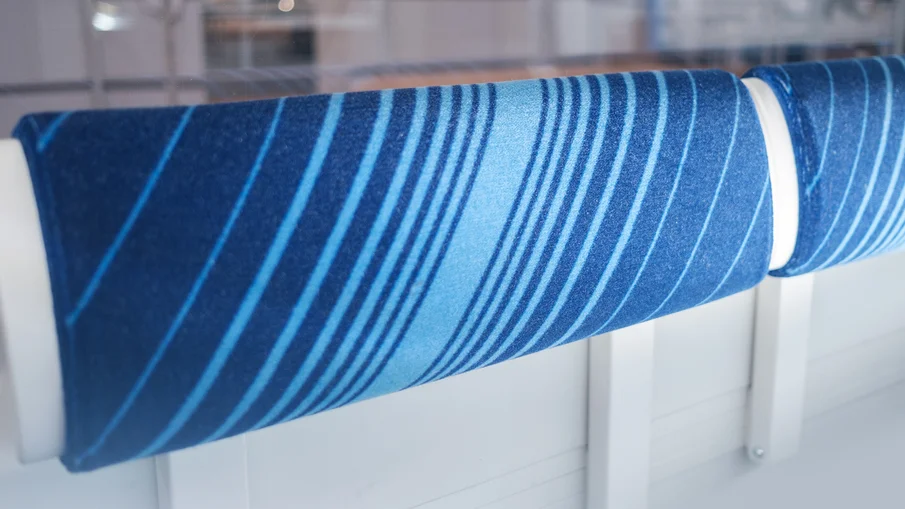
Largest procurement project for vehicles with alternative drive systems in Germany
The real highlight of these trains, however, is their innovative propulsion system. They are conventional electric trains that can also operate on sections of track without overhead lines. To this end, they are additionally fitted with batteries to bridge non-electrified sections of track. On electrified lines, the trains draw power from the overhead lines – both for propulsion and for recharging the batteries.
Compared with the use of diesel trains, the BEMUs can cut CO₂ emissions by just under 30,000 tonnes per year. The operating authorities have also set a record with these trains: the future fleet of the VRR and NWL is regarded as the largest procurement project for vehicles with alternative drive systems in Germany.
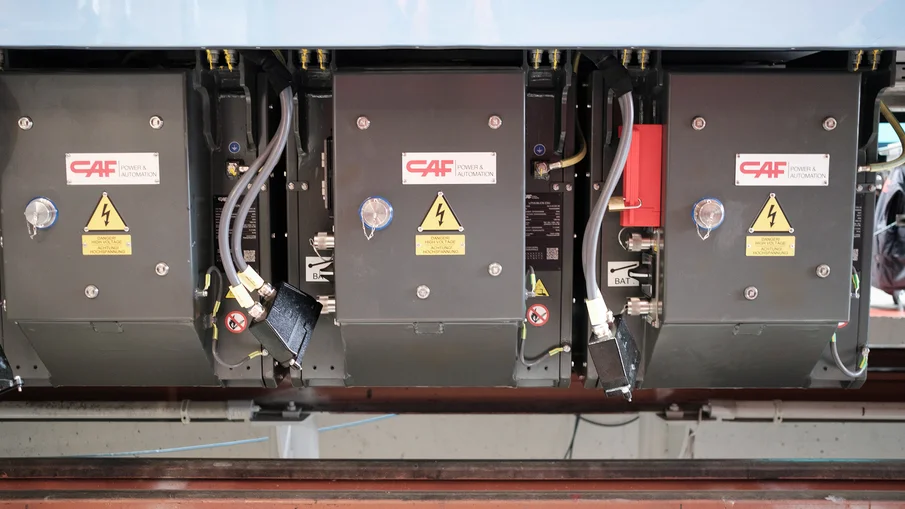
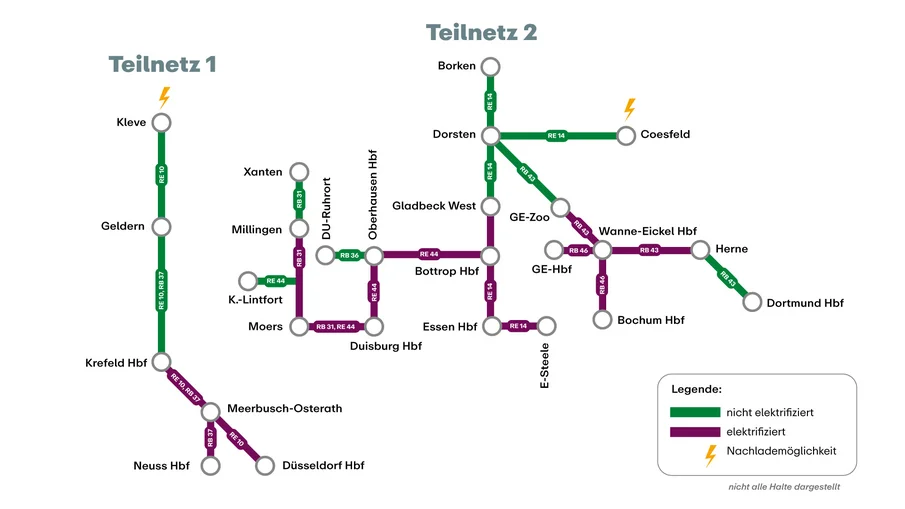
The range requirements for the vehicles have been defined differently by the VRR depending on the network, and are based on network-specific requirements, the proportion of electrified track and charging infrastructure, plus a sufficient reserve. For Sub-network 1 (RE 10 and RB 37), the range is 220 kilometres, with the option to recharge for ten minutes after travelling 110 kilometres. A recharging station is planned in Kleve for this purpose. For sub-network 2 (RE 14, RB 31, RB 36, RB 43, RE 44), the range is 90 kilometres for the vehicles on the RE 14, the RB 36 and the RB 43, and 65 kilometres for the vehicles on the RB 31 and the RE 44. It must be possible to switch between the two range types within six hours. To ensure operational flexibility, the rolling stock can also be adapted to the other sub-network as required.
The latest range test at the test centre in Wegberg-Wildenrath marked another milestone in terms of range. The video provides an insight into the test run and the technical testing of the vehicles. In addition to range, the tests also examined energymanagement and batterybehaviour. The findings will be incorporated into further vehicle development and form an important basis for the trains’ future operation.
Watch the video now!
Route network
A network of ten regional rail lines that is paving the way for the transport transition
The network comprises ten regional rail services with a total annual mileage of over eleven million train-kilometres:
- Niers-Express RE 10: Kleve – Geldern – Krefeld – Düsseldorf
- Emscher-Münsterland-Express RE 14: Essen – Bottrop – Dorsten – Borken/Coesfeld
- Fossa-Emscher-Express RE 44: Kamp-Lintfort – Moers – Duisburg – Oberhausen – Bottrop
- The Lower Rhine RB 31: Xanten – Moers – Duisburg
- Ruhrort Line RB 36: Oberhausen – Duisburg-Ruhrort
- Niers-Erft Railway RB 37: Geldern – Krefeld – Neuss
- Emschertalbahn RB 43: Dortmund – Herne – Dorsten
- Glückauf Railway RB 46: Bochum – Gelsenkirchen
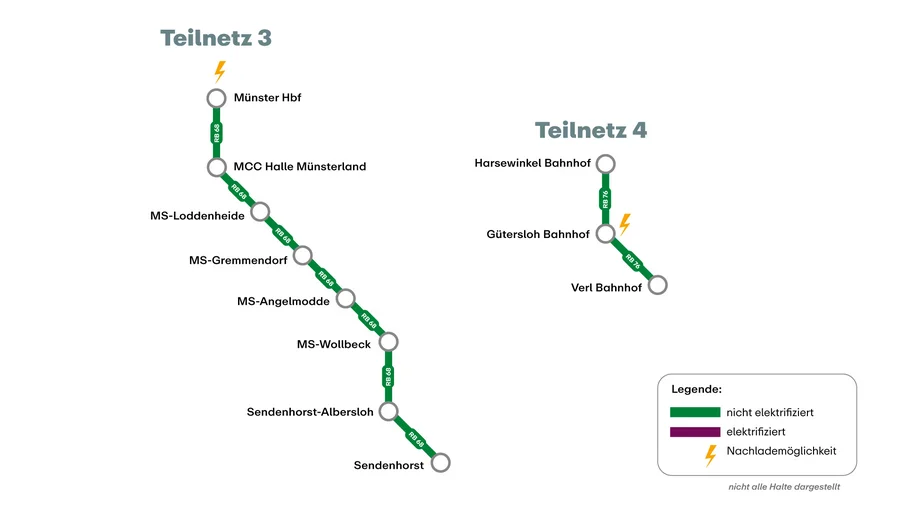
In addition, the trains will also be deployed on two reactivated lines in the NWL area:
- RB 68: Münster – Sendenhorst
- RB 76: Harsewinkel – Gütersloh – Verl
The new trains are currently scheduled to enter service in these lines between December 2027 and December 2029.
Infrastructure
Targeted optimisation of the rail infrastructure
By replacing diesel trains with battery-powered electric trains, we aim to do more than just reduce air pollutant emissions on the Lower Rhine–Münsterland network. The new trains are also intended to increase capacity in order to cope with the sharp rise in passenger numbers on some lines of the network, as well as to improve operationalreliability. This requires the expansion, adaptation and modernisation of the infrastructure, particularly the stations. Furthermore, as part of this, a connection between Kamp-Lintfort and the regional rail network is to be established.
Infrastructure
New connection between Kamp-Lintfort and the network (Niederrheinbahn)
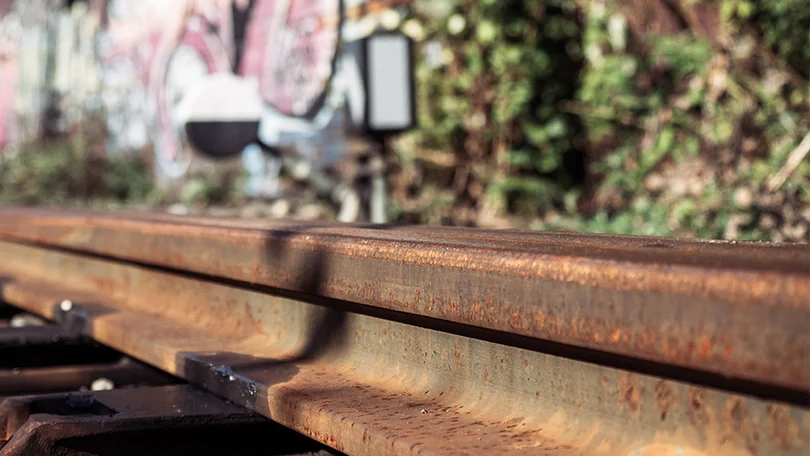
Kamp-Lintfort is currently the third-largest German town without its own regional rail service. In future, the town’s residents – and in particular the university community – will benefit from the reactivation of the Lower Rhine Railway (Moers-Rheinkamp – Kamp-Lintfort) and the extension of the RE 44 (Bottrop – Oberhausen – Duisburg – Moers) will be extended to Kamp-Lintfort. To this end, the former freight line from Rheinkamp station to Kamp-Lintfort will be reactivated and connected to the regional rail network.
During the 2020 State Garden Show, a trial service ran hourly at weekends and on public holidays from April to October on the ten-kilometre-long Lower Rhine Railway between Moers and Kamp-Lintfort. RE 44 trains are expected to run there as part of the regular service from 2027.
Until then, extensive infrastructure work is still required along the route. Firstly, a modern, electronic signal box must be built in Rheinkamp to enable the connection to the existing DB line. As part of the reactivation, three new, accessible stops will also be built: Kamp-Lintfort Mitte, Kamp-Lintfort Süd and Moers-Repelen. Furthermore, technical equipment along the line – some of which is 100 years old – must be replaced, and the track layout must be refurbished or, on the section between Kamp-Lintfort South and Kamp-Lintfort Centre, completely rebuilt. The infrastructure operator for the section from Rheinkamp to Kamp-Lintfort is Niederrheinbahn GmbH.
A practical overhead line island system for recharging
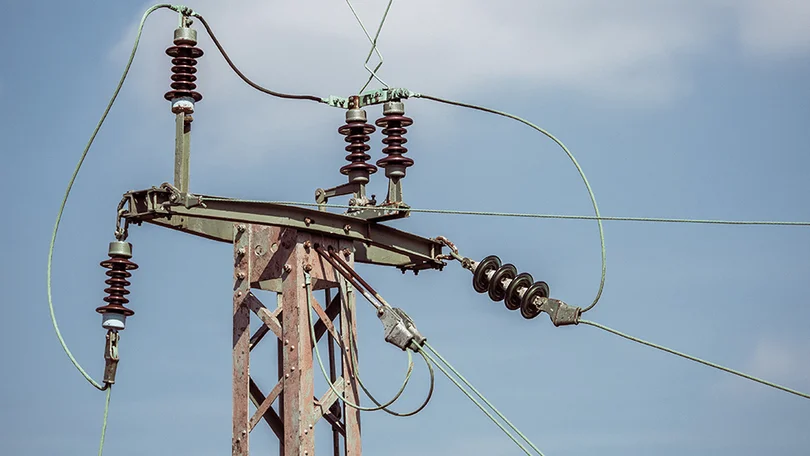
On the Lower Rhine-Münsterland network, around 200 kilometres of track are currently not electrified. There are currently no plans to fully electrify the network. Nevertheless, all lines on the network can be converted to electric operation through the use of battery-powered trains – as all lines have overhead lines, at least on some sections, which can be used to charge the trains’ batteries whilst they are travelling. On sections without overhead lines, the trains are then powered by electricity from the on-board batteries.
A real challenge here is the section of theRE 10 route between Krefeld Central Station and Kleve that lacks overhead lines. On this approximately 65-kilometre stretch, the electricity stored in the batteries would not be sufficient for the outward and return journeys under any circumstances. The practical solution to this is the construction of a so-called catenary island system (OLIA) in the vicinity of Kleve station. The OLIA is a recharging station in the form of a short, local overhead line system. There, the additional power required for the return journey can be fed into the batteries of the BEMU trains.
Upgrading stations to meet higher standards
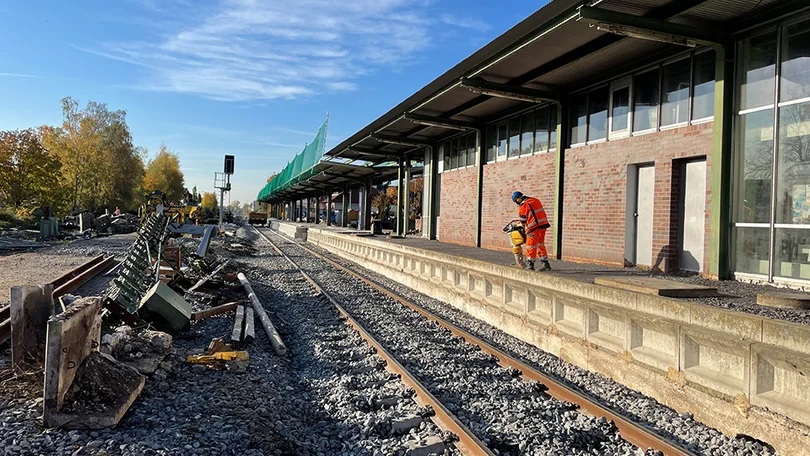
In order to implement the planned capacity increases on some lines of the Lower Rhine–Münsterland network, it is necessary, on the one hand, to introduce new trains with increased seating capacity. Secondly, however, refurbishment work must also be carried out at numerous stations. This will ensure, amongst other things, that there are sufficiently long platforms for the trains that will operate in future. This necessitates platform extensions at a large number of stations. In addition, at some stations, the platform height will need to be adjusted to the standard height in North Rhine-Westphalia of 76 cm to allow level access to the trains. Furthermore, where this has not already been done, stations will be upgraded to make them accessible. This includes providing step-free access to the platforms via ramps or lifts. As things stand, the aforementioned modifications must be carried out at numerous stations within the VRR area.
Further infrastructure measures:
Other infrastructure measures to be carried out on the Lower Rhine–Münsterland network include, amongst others,
- the construction of a turning loop at Geldern station: Geldern station is to become the terminus for the RB 37 (Neuss – Krefeld – Geldern) in future. To enable trains to turn round there for the return journey, an additional platform track is to be built. This will also prevent traffic conflicts with the RE 10 line, which continues on to Kleve.
- Construction of a digital signal box (DStW) in Kleve and an electronic signal box (EStW) in Rheinkamp
- Expansion and upgrading of rolling stock depots
Milestones to date
Timeline for the Lower Rhine–Münsterland Network
Start: Vehicle Registration
Launch of the Request for Proposals for Operating Services on Lines RE 14, RE 44, RB 31, RB 36, and RB 43 (Subnetwork 2)
Submission of Bids by Vehicle Manufacturers
Contract Awarded to the Spanish Company CAF for the Vehicles (Construcciones y Auxiliar de Ferrocarriles, S. A.)
Signing of the contract:
Submission of Bids by Rail Carriers
Contract Awarded to DB Regio to Operate Subnetwork 2
The Spanish railway group and train manufacturer CAF acquires the former Gelsenkirchen-Bismarck railway depot
CAF Begins Manufacturing Car Bodies in Beasain, Spain
Request for Proposals for Operating Services on the RE 10 and RB 37 Lines
The first vehicle is currently being commissioned
Groundbreaking Ceremony for the Future Maintenance Center in Gelsenkirchen-Bismarck
First presentation of the vehicles at the 2026 Lower Rhine Conference
Background information: About CAF, the manufacturer of the BEMU
In the video, the Spanish train manufacturer CAF presents its corporate vision and demonstrates theinnovative features that the new BEMU trains offer for modern rail transport.
Watch the video now!